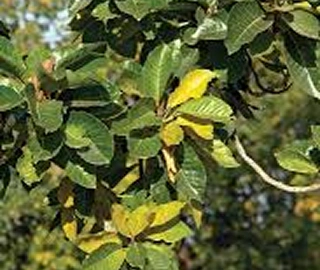


Indian Mahua Tree: The Hidden Treasure of Nature's Bounty and Cultural Heritage
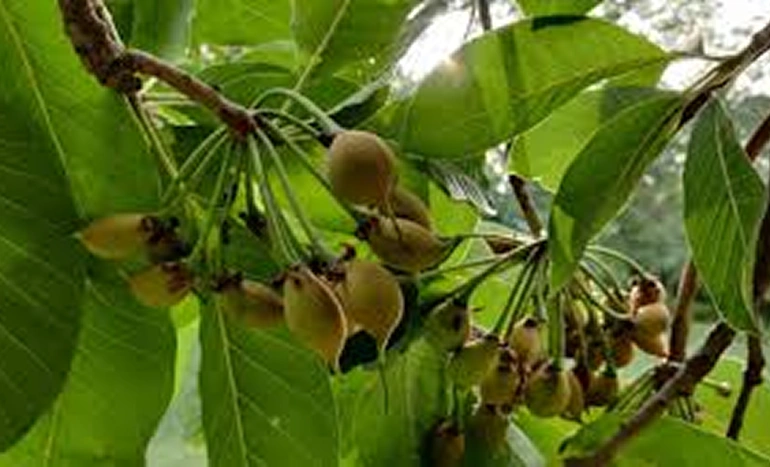
Indian Mahua Tree

The Indian Mahua tree, scientifically known as Madhuca longifolia, is often regarded as a hidden treasure of nature's bounty and cultural heritage.

Predominantly found in the central and southern regions of India, this remarkable tree is not only valued for its ecological contributions but also for its socio-economic significance.

In this blog, we will explore the various facets of the Mahua tree, including its botanical characteristics, cultural importance, environmental impact, and the efforts of organizations like Grow Billion Trees Partners in promoting its cultivation and conservation.

Botanical Characteristics of Mahua

The Mahua tree is a deciduous tree that can grow up to 20 meters tall. Its leaves are simple, alternate, and leathery, providing a lush green canopy that offers shade and sustenance to various wildlife.

The tree produces fragrant, creamy-white flowers that bloom during the summer months, attracting bees and other pollinators. These flowers are not only a feast for the eyes but are also edible and are used in various culinary dishes.

The fruit of the Mahua tree is a fleshy drupe containing one or two seeds. This fruit ripens in the summer, and the seeds are rich in oil, which can be extracted and used for cooking or in the production of soaps and cosmetics.

The Mahua tree's bark and leaves also have medicinal properties, making it an integral part of traditional Indian medicine.

Cultural Significance

The Mahua tree holds a special place in Indian culture, particularly among tribal communities. It is often referred to as the "tree of life" due to its multifaceted uses.

The flowers are collected and fermented to produce Mahua liquor, a traditional alcoholic beverage that has been enjoyed for generations. This practice not only contributes to local economies but also fosters social bonding within communities.

In many tribal cultures, the Mahua tree is considered sacred. Rituals and festivals are often centered around its flowering season, celebrating the tree's contributions to life and sustenance. The Mahua tree is also featured in folklore and traditional stories, symbolizing resilience and prosperity.

Ecological Importance

The Mahua tree plays a crucial role in maintaining ecological balance. Its extensive root system helps prevent soil erosion, while its canopy provides habitat for a diverse range of flora and fauna.

The tree's flowers attract pollinators, which are essential for the reproduction of many plant species. Furthermore, Mahua trees are known to improve soil fertility through their leaf litter, which enriches the soil with organic matter.

In addition to its ecological functions, the Mahua tree is a valuable resource for local communities. The flowers, fruits, and seeds can be harvested sustainably, providing food and income without depleting the tree's resources. This sustainable harvesting is crucial in promoting biodiversity and ensuring the longevity of the Mahua tree in its native habitats.

Historical Context

The Mahua tree has been a part of Indian history for centuries. Historical texts and ancient scriptures mention the use of Mahua in various rituals and as a source of nutrition.

The tree was often planted near villages, serving as a communal resource for food and materials. During the colonial period, the Mahua tree became a symbol of resistance among tribal communities, who relied on its resources to sustain their livelihoods in the face of external pressures.

Today, the Mahua tree is recognized for its potential in sustainable development and conservation efforts. As the world grapples with climate change and environmental degradation, the Mahua tree offers a beacon of hope for restoring ecosystems and supporting local economies.

Environmental Impact

The cultivation of Mahua trees has significant environmental benefits. As a native species, the Mahua tree is well adapted to the local climate and soil conditions, making it an excellent choice for reforestation projects. Its ability to sequester carbon dioxide helps mitigate climate change, while its shade provides a cooler microclimate for other plants and animals.

Moreover, Mahua trees can thrive in marginal lands, making them a viable option for agroforestry systems. By integrating Mahua trees into agricultural landscapes, farmers can diversify their income sources while enhancing soil health and biodiversity. This practice not only supports local economies but also contributes to global sustainability goals.

Grow Billion Trees Partners: A Catalyst for Change

Organizations like Grow Billion Trees Partners are at the forefront of promoting the cultivation and conservation of the Mahua tree. Their mission is to plant and nurture a billion trees across India, with a strong focus on native species like Mahua. By partnering with local communities, they ensure that reforestation efforts are sustainable and beneficial for all stakeholders involved.

Grow Billion Trees Partners employs a multi-faceted approach to achieve their goals. They conduct awareness campaigns to educate communities about the ecological and economic benefits of the Mahua tree. Workshops and training sessions are organized to teach sustainable harvesting techniques, ensuring that local populations can benefit from the tree without compromising its health.

Through community engagement, Grow Billion Trees Partners fosters a sense of ownership among local populations, encouraging them to participate actively in reforestation efforts. This grassroots approach not only empowers communities but also enhances the success rate of tree planting initiatives.

Additionally, Grow Billion Trees Partners collaborates with government bodies and NGOs to secure funding and resources for large-scale planting projects. These partnerships are crucial for scaling up efforts and maximizing the impact of reforestation initiatives.

Fun Facts about Mahua

  • The Mahua tree can live for over 100 years, making it a long-term asset for communities.
  • Mahua flowers can be consumed raw, cooked, or fermented, showcasing their versatility.
  • The oil extracted from Mahua seeds is often used in traditional medicines and cosmetics.
  • Mahua liquor, a popular beverage, is often consumed during festivals and celebrations.
  • The tree's bark is known for its fibrous quality, which can be used to make ropes and mats.

Conclusion
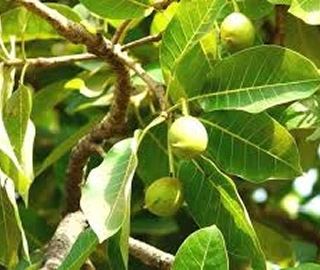
The Indian Mahua tree is indeed a hidden treasure, embodying the rich cultural heritage and ecological significance of India.

Its multifaceted uses, from food and drink to medicinal applications, highlight the tree's importance in sustaining local communities. As we face the challenges of climate change and environmental degradation, the Mahua tree stands as a beacon of hope for sustainable development and conservation.

Organizations like Grow Billion Trees Partners play a pivotal role in promoting the cultivation and conservation of the Mahua tree. By engaging local communities and fostering sustainable practices, they are not only preserving this vital resource but also enhancing the livelihoods of countless individuals.

As we continue to explore the wonders of nature, let us recognize and celebrate the Mahua tree as a symbol of resilience, sustainability, and cultural heritage. Its legacy is a testament to the harmonious relationship between humans and nature, reminding us of the importance of preserving our natural treasures for future generations.

In conclusion, the Mahua tree is more than just a tree; it is a vital part of India's cultural and ecological landscape. By understanding its significance and supporting initiatives that promote its growth and conservation, we can ensure that this hidden treasure continues to thrive for years to come.

Indian Cork Fig Fruits
Indian Cork Fig Tree

FAQ

What is the Mahua tree?

The Mahua tree, or Madhuca longifolia, is a 20-meter tall deciduous marvel native to India, known for its fragrant flowers, edible fruits, and medicinal properties. It's a true multitasker in the ecosystem, providing shade, habitat, and a bounty of resources for local communities. Talk about a tree that knows how to party!

01

Why is the Mahua tree culturally significant?

The Mahua tree is revered as the "tree of life" in Indian culture, especially among tribal communities. Its flowers are fermented into Mahua liquor, fostering social bonding and economic activity. With rituals and folklore woven around it, this tree is a cultural superstar, proving that nature can be both functional and fabulous!

02

How does the Mahua tree contribute ecologically?

The Mahua tree is an ecological champion, preventing soil erosion and providing a habitat for diverse wildlife. Its flowers attract pollinators, crucial for plant reproduction, while its leaf litter enriches soil fertility. This tree doesn't just stand there; it actively nurtures its surroundings, making it a true green guardian!

03

What are the historical uses of the Mahua tree?

Historically, the Mahua tree has been a staple in Indian life, appearing in ancient texts as a source of nutrition and materials. Villagers planted it as a communal resource, and during colonial times, it symbolized resistance for tribal communities. This tree has seen it all and still stands tall, a testament to resilience!

04

How does the Mahua tree impact local economies?

The Mahua tree is an economic lifeline for local communities, providing flowers, fruits, and seeds that can be sustainably harvested. This tree helps create jobs and income sources without depleting its resources. It's like a green ATM, giving back while ensuring its own survival—what a win-win!

05

What role does Grow Billion Trees Partners play in Mahua conservation?

Grow Billion Trees Partners is the tree whisperer, promoting Mahua cultivation and conservation across India. They engage local communities, educate them on sustainable practices, and secure funding for large-scale planting. With a mission to plant a billion trees, they're turning the tide for nature, one sapling at a time!

06

Can Mahua trees help combat climate change?

Absolutely! Mahua trees are excellent at sequestering carbon dioxide, helping mitigate climate change. Their ability to thrive in marginal lands makes them perfect for reforestation projects. By integrating them into agroforestry systems, farmers can boost biodiversity and enhance soil health, proving that trees can indeed save the planet!

07

What are some fun facts about the Mahua tree?

Its flowers can be enjoyed raw, cooked, or fermented, making it the ultimate culinary chameleon. The oil from its seeds is used in traditional medicines and cosmetics, while its fibrous bark is perfect for crafting ropes. Talk about a versatile tree!

08

How can individuals support Mahua tree conservation?

Individuals can support Mahua conservation by participating in local reforestation initiatives, spreading awareness about its ecological and cultural importance, and choosing products made from sustainably harvested Mahua resources. Every little effort counts—be a tree champion and help this hidden treasure thrive for future generations!

09

What are the medicinal properties of the Mahua tree?

The Mahua tree isn't just a pretty face; its bark and leaves boast medicinal properties used in traditional Indian medicine. From treating ailments to promoting wellness, this tree offers a natural pharmacy right in your backyard. Who knew nature had such a powerful remedy hidden in its branches?

10

Why should we celebrate the Mahua tree?

Celebrating the Mahua tree means honoring its rich cultural heritage and ecological significance. It embodies resilience, sustainability, and the harmonious relationship between humans and nature. By recognizing its value, we can ensure this hidden treasure continues to thrive, inspiring future generations to cherish and protect our natural wonders!

11
logo
back top