


Gamhar Tree
Gamhar Tree: Celebrating the Beauty and Environmental Contributions of Gmelina Arborea
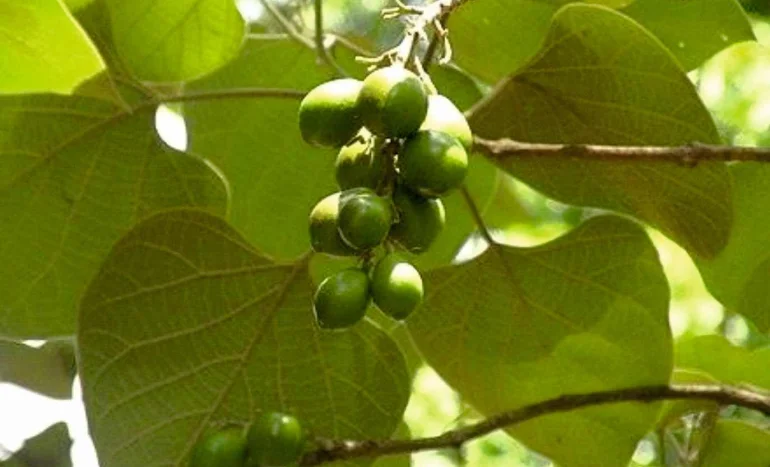
Botanical Marvel
Cultural Significance
Ecological Importance
Versatile Applications
Conservation Challenges
Medicinal Properties
Economic Opportunities
Future Sustainability
Historical Legacy
Celebrating Diversity
Conclusion
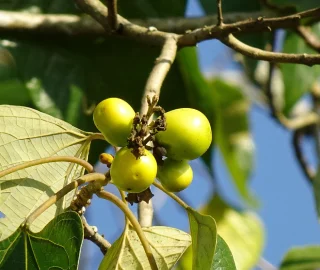
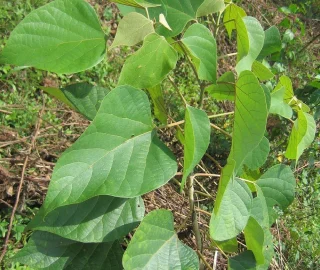
Gamhar Tree Facts
Gamhar Tree Care
Gamhar Tree Timber Uses
Gamhar Tree Ecological Importance
Gamhar Tree Medicinal Uses
Gamhar Tree Symbolism
Gamhar Tree Habitat
Gamhar Tree Growth Rate
Gamhar Tree Pruning
Gamhar Tree Flowering Season
Gamhar Tree Leaf Characteristics
Gamhar Tree Root System
Gamhar Tree Wildlife Habitat
Gamhar Tree Soil Requirements
Gamhar Tree Pest and Disease Management
Gamhar Tree Root Pruning
Gamhar Tree Indigenous Knowledge
Gamhar Tree Ethnobotany
Gamhar Tree Cultivars
Gamhar Tree Cultural Heritage
FAQ
What is a Gamhar tree?
The gamhar tree, scientifically known as Gmelina arborea, is a fast-growing deciduous tree native to South and Southeast Asia. It belongs to the family Lamiaceae and is valued for its timber, medicinal properties, and ecological benefits.
01
Where are Gamhar trees typically found?
Gamhar trees are commonly found in tropical and subtropical regions of South and Southeast Asia, including India, Myanmar, Thailand, Vietnam, and Indonesia. They thrive in diverse habitats, from lowland rainforests to upland mountain forests.
02
How tall can a Gamhar tree grow?
Gamhar trees can reach heights of 20 to 30 meters, with some specimens growing even taller under favorable growing conditions. Their tall stature makes them suitable for timber production and agroforestry systems.
03
What climate do Gamhar trees prefer?
Gamhar trees prefer warm, humid climates with well-distributed rainfall throughout the year. They thrive in regions with temperatures ranging from 20°C to 30°C and annual rainfall between 1,000 to 2,500 millimeters.
04
How long until a Gamhar tree reaches maturity?
Gamhar trees typically reach maturity within 10 to 15 years, depending on soil fertility, climate, and management practices. Once mature, they produce high-quality timber suitable for various construction and woodworking applications.
05
How is Gamhar timber harvested?
Gamhar timber is harvested by selectively felling mature trees to extract the valuable wood for commercial use. The timber is then processed into lumber, plywood, or veneer, depending on market demand and intended applications.
06
What are the uses of Gamhar timber?
Gamhar timber is valued for its strength, durability, and versatility, making it suitable for a wide range of applications. It is commonly used in construction, furniture making, boat building, and paper production, among other uses.
07
Is Gamhar timber resistant to decay and pests?
Yes, gamhar timber is naturally resistant to decay, termites, and other wood-boring insects due to its high content of extractives and resins. This makes it a preferred choice for outdoor applications and in regions prone to pest infestations.
08
What is the economic importance of Gamhar trees?
Gamhar trees are economically important for their timber, which generates income and employment opportunities for communities involved in forestry and wood processing industries. The timber trade contributes to local economies and livelihoods in rural areas where gamhar forests are cultivated.
09
Are Gamhar trees suitable for agroforestry?
Yes, gamhar trees are suitable for agroforestry systems, where they are intercropped with agricultural crops or integrated into livestock grazing systems. Their fast growth, nitrogen-fixing ability, and shade tolerance make them valuable components of sustainable land use practices.
10
Do Gamhar trees have any medicinal properties?
Yes, various parts of the gamhar tree, including the bark, leaves, and roots, have been traditionally used in herbal medicine for their therapeutic properties. They are believed to have anti-inflammatory, antimicrobial, and antidiabetic effects, among other medicinal benefits.
11
What pests and diseases affect Gamhar trees?
Gamhar trees are susceptible to pests and diseases that can affect their growth and health. Common pests include shoot borers, leaf-eating caterpillars, and scale insects, while diseases such as powdery mildew and leaf spot can also occur under favorable conditions.
12
Can Gamhar trees improve soil fertility?
Yes, gamhar trees are nitrogen-fixing species that can improve soil fertility by converting atmospheric nitrogen into a form usable by plants. Their root nodules contain nitrogen-fixing bacteria, which enrich the soil with nitrogen, benefiting surrounding vegetation and agricultural crops.
13
How do Gamhar trees propagate?
Gamhar trees can be propagated through seeds or vegetative methods such as stem cuttings or root suckers. Seed propagation is the most common method, with seeds collected from mature trees and germinated under controlled conditions before being transplanted to the field.
14
What are the environmental benefits of Gamhar trees?
Gamhar trees provide various environmental benefits, including carbon sequestration, soil erosion control, and habitat creation for wildlife. Their dense foliage provides shade and shelter for understory vegetation, while their root systems help stabilize soil and prevent erosion.
15
What are the challenges faced in Gamhar cultivation?
Gamhar cultivation faces various challenges, including competition with invasive species, browsing by livestock, and vulnerability to pests and diseases. Sustainable management practices, including selective harvesting, pest control, and reforestation efforts, are essential to address these challenges and promote the long-term viability of gamhar forests.
16
What is the significance of Gamhar in traditional cultures?
Gamhar trees hold cultural significance in many traditional cultures, where they are valued for their timber, medicinal properties, and ecological role. They are often featured in folklore, rituals, and ceremonies, symbolizing strength, resilience, and connection to nature.
17
Is Gamhar cultivation environmentally sustainable?
Gamhar cultivation can be environmentally sustainable when practiced using agroforestry and silvicultural techniques that promote biodiversity, soil health, and ecosystem resilience. However, unsustainable land use practices, such as deforestation and monoculture plantations, can lead to environmental degradation and loss of biodiversity.
18
Are there different varieties of Gamhar trees?
Yes, there are several varieties of gamhar trees, each with unique characteristics such as growth rate, timber quality, and resistance to pests and diseases. Varieties may differ in their suitability for specific agroforestry systems or commercial applications, depending on local conditions and market preferences.
19
Your Suggestions
Leave your message and we'll get back to you shortly.