


Japanese Cedar Tree: Unlocking the Secrets of Its Timeless Beauty and Eco-Friendly Benefits
Japanese Cedar Tree: Unlocking the Secrets of Its Timeless Beauty and Eco-Friendly Benefits
Historical Significance of Japanese Cedar
Physical Characteristics and Beauty
Ecological Benefits
- Carbon Sequestration: Like all trees, Japanese Cedars absorb carbon dioxide during photosynthesis, helping to mitigate climate change.
- Habitat for Wildlife: The dense foliage and structure provide habitat and food for various species of birds, insects, and mammals.
- Soil Conservation: The extensive root system helps prevent soil erosion, particularly in mountainous regions.
- Water Regulation: Enhances groundwater recharge and maintains moisture levels in the soil.
Fun Facts about Japanese Cedar
- The Japanese Cedar can live for over 1,000 years
- In Japan, Sugi trees are often planted in rows, creating stunning avenues
- The essential oil extracted from Japanese Cedar wood is known for its calming properties
- Japanese Cedar wood is naturally resistant to insects and decay
Environmental Impact and Reforestation
FAQ
What is the Japanese Cedar Tree?
The Japanese Cedar Tree, or Cryptomeria japonica, is a stunning conifer native to Japan, celebrated for its beauty and aromatic wood. Known as Sugi, it plays a vital role in Japanese culture and ecology.
01
Why is the Japanese Cedar historically significant?
The Japanese Cedar has been woven into Japan's cultural fabric for centuries, used in ancient temples and traditional houses. Its durability and beauty make it a symbol of strength and endurance.
02
What are the physical characteristics of the Japanese Cedar?
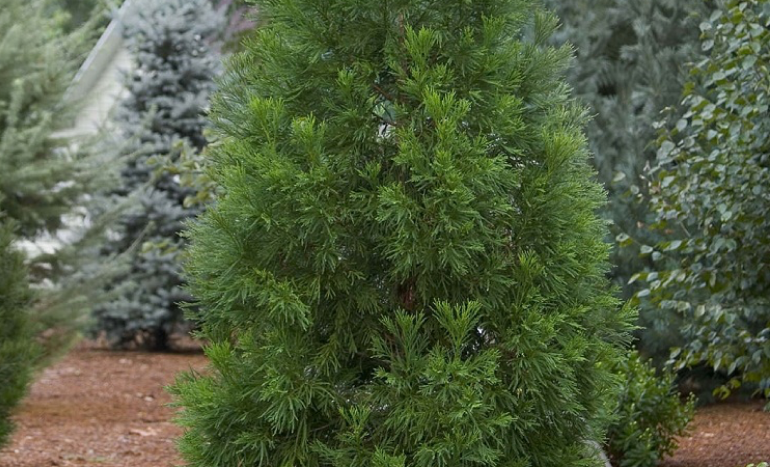
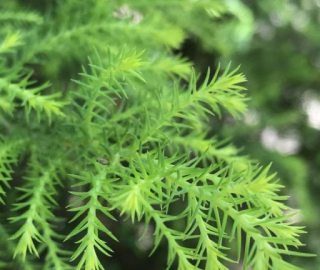
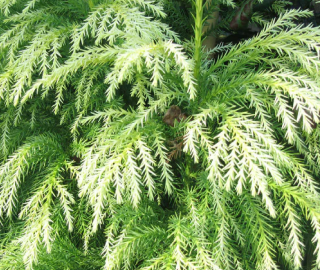
The Japanese Cedar boasts a straight trunk reaching heights of up to 60 meters, with lush, needle-like leaves that turn reddish-brown in autumn. Its striking reddish-brown bark peels in long strips.
03
How does the Japanese Cedar benefit the ecosystem?
This majestic tree is an ecological superhero! It sequesters carbon, provides habitat for wildlife, conserves soil, and regulates water cycles, helping maintain a balanced ecosystem.
04
What fun facts should I know about the Japanese Cedar?
It can live for over 1,000 years, is often planted in stunning rows creating picturesque avenues, and its essential oil is used in aromatherapy for its calming properties.
05
What threats does the Japanese Cedar face?
Despite its charm, the Japanese Cedar is under threat from deforestation and urbanization, leading to habitat loss and biodiversity decline.
06
How does reforestation help the Japanese Cedar?
Reforestation restores degraded landscapes, enhances biodiversity, and mitigates climate change by planting Japanese Cedars and other native species.
07
How can I get involved with tree planting?
You can volunteer at local tree planting events, donate to support initiatives, or spread the word on social media. Every little action counts!
08
What are the benefits of planting Japanese Cedars?
Planting Japanese Cedars beautifies your space while contributing to carbon sequestration, habitat creation, soil stabilization, and water regulation.
09
What should I do if I want to learn more about Japanese Cedars?
Visit environmental organization websites for resources on the Japanese Cedar Tree and ways to get involved in conservation efforts.
10
Your Suggestions
Leave your message and we'll get back to you shortly.