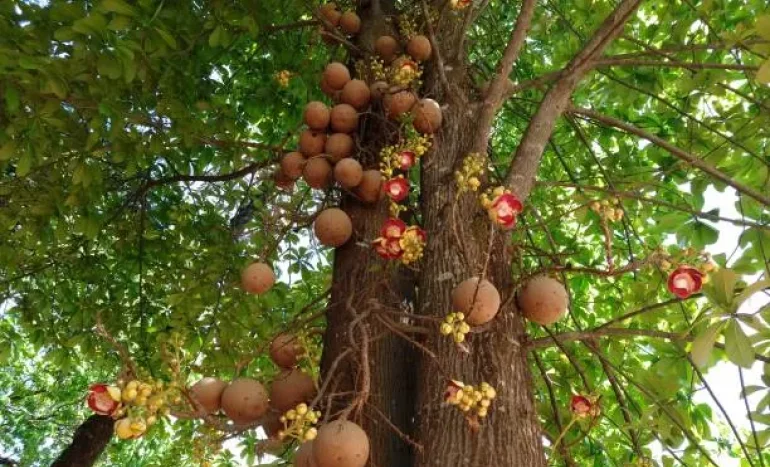


Cannonball Tree: Unveiling the Mysteries and Wonders of Nature's Unique Marvel
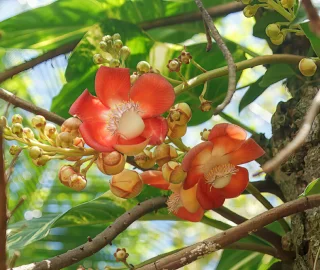
Cannonball Tree - Nature's Unique Marvel

The Cannonball Tree, scientifically known as Couroupita guianensis, is a striking and unique botanical marvel that captures the fascination of botanists, nature enthusiasts, and casual observers alike. Native to the tropical rainforests of Central and South America, this extraordinary tree is renowned for its large, spherical fruits, fragrant flowers, and intriguing ecological role.

Botanical Profile of the Cannonball Tree

  • Scientific Name: Couroupita guianensis
  • Family: Lecythidaceae
  • Native Region: Tropical rainforests of Central and South America
  • Common Names: Cannonball Tree, Sala Tree, Nagalingam

Scientific Overview

The Cannonball Tree can grow up to 30 meters in height and has a stout trunk that can reach a diameter of 1 meter. The tree's most distinctive feature is its large, round fruits that can weigh up to 4 kilograms (about 9 pounds) and measure up to 25 centimeters (10 inches) in diameter.

  • Height: Up to 30 meters (98 feet)
  • Fruit Size: Up to 25 cm diameter, weighing up to 4 kg
  • Flower Feature: Cauliflory - flowers grow directly from trunk
  • Flower Size: About 15 centimeters (6 inches) in diameter
  • Pollinators: Bees and bats attracted by fragrant aroma

Historical Context

The Cannonball Tree has a rich history that intertwines with the cultures of the regions where it is found. Indigenous peoples have long revered the tree for its beauty and utility. The fruit has been used in traditional rituals and ceremonies, and the tree's association with the divine has led to its planting in sacred spaces.

During the colonial period, the Cannonball Tree was introduced to various tropical regions around the world, including Southeast Asia, where it has since become a popular ornamental tree in parks and gardens due to its striking appearance and fragrant flowers.

Fun Facts About the Cannonball Tree

  • Unique Appearance: Fruits resemble cannonballs, hanging directly from trunk
  • Sacred Symbol: Considered sacred in Hinduism, often planted near temples
  • Medicinal Uses: Bark has anti-inflammatory properties, fruit pulp aids digestion
  • Tropical Habitat: Thrives in rainforests, vital to ecosystem
  • Cauliflory: Flowers grow directly from trunk and branches

Environmental Impact

The Cannonball Tree plays a significant role in its native ecosystem. As a member of the tropical rainforest community, it contributes to biodiversity by providing habitat and food for various species.

  • Wildlife Support: Fruits provide nourishment for monkeys, birds, and insects
  • Seed Dispersal: Animals help disperse seeds, maintaining forest health
  • Carbon Sequestration: Absorbs carbon dioxide, helping mitigate climate change
  • Biodiversity Enhancement: Supports rich ecosystem relationships
  • Air Quality Improvement: Contributes to cleaner atmosphere

Medicinal and Traditional Uses

  • Anti-inflammatory: Bark used in traditional medicine for inflammation
  • Digestive Aid: Fruit pulp used to treat digestive issues
  • Traditional Rituals: Used in ceremonies and spiritual practices
  • Cultural Significance: Sacred tree in Hindu and Buddhist traditions

How Grow Billion Trees Promotes Cannonball Tree Conservation

Organizations like Grow Billion Trees are at the forefront of tree planting and conservation initiatives, particularly in regions where the Cannonball Tree is native. Their mission is to plant billions of trees worldwide to combat deforestation, promote biodiversity, and mitigate climate change.

  • Community Partnerships: Working with local communities for sustainable forestry
  • Educational Initiatives: Raising awareness about native species preservation
  • Technology Integration: Using drone mapping and satellite imagery for monitoring
  • Habitat Restoration: Restoring degraded landscapes with native species
  • Cultural Preservation: Respecting traditional knowledge and practices

Why Protect the Cannonball Tree?

  • Ecological Importance: Vital role in rainforest ecosystems
  • Cultural Heritage: Deep significance in traditional practices
  • Medicinal Value: Source of traditional healing remedies
  • Biodiversity Support: Habitat for numerous species
  • Climate Action: Contributes to carbon sequestration efforts

Final Thought
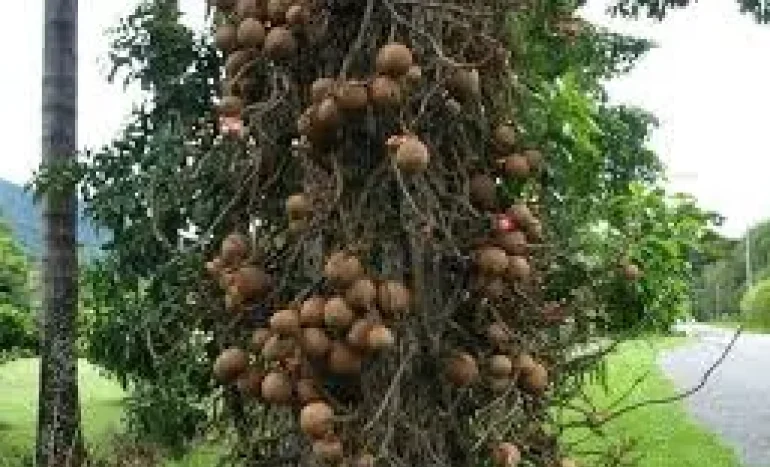
The Cannonball Tree is a botanical marvel that embodies the beauty and complexity of nature. Its unique characteristics, ecological significance, and cultural importance make it a fascinating subject of study and admiration. By supporting conservation initiatives and fostering a deeper appreciation for the natural world, we can ensure that the wonders of nature, such as the Cannonball Tree, continue to thrive for generations to come.

Cannonball Tree Fruits
Cannonball Tree in Tropical Habitat

Cannonball Tree Fruits

Imagine a tree that grows cannonballs instead of apples! The Cannonball Tree's fruits are large, round, and can weigh up to 4 kilograms. With a tough exterior that resembles a hard shell, these fruits are not your typical snack. However, they contain a fibrous pulp that some adventurous souls have described as having a sweet, tropical flavor. Just don't expect to bite into one without a good battle—it's more of a decorative piece than a dessert!

Cauliflory

In a botanical twist on the classic "growing from the ground up," the Cannonball Tree showcases cauliflory, where its stunning flowers sprout directly from the trunk. This unique feature not only gives the tree a quirky appearance but also makes it a favorite among pollinators like bees and bats. It's like the tree decided to throw a floral party right on its bark, inviting all the buzzing guests to join in!

Cultural Significance

The Cannonball Tree isn't just a pretty face in the forest; it holds deep cultural significance in various traditions. In Hinduism, it's considered sacred and often finds a home near temples. This tree doesn't just grow; it participates in rituals and ceremonies, becoming a living symbol of reverence and spirituality. Talk about a tree with a purpose beyond just looking good!

Medicinal Properties

The Cannonball Tree isn't just a botanical wonder; it's also a natural pharmacy! Traditional medicine enthusiasts have long utilized various parts of the tree for their healing properties. From anti-inflammatory bark to digestive-aiding fruit pulp, this tree is like Mother Nature's medicine cabinet. Who knew that a tree named after cannonballs could also pack a health punch?

Ecological Role

This botanical marvel plays a crucial role in its tropical rainforest habitat. The Cannonball Tree is not just a pretty sight; it provides food and shelter for countless species. Its fruits are a feast for monkeys, birds, and insects, who help disperse the seeds, ensuring the tree's legacy continues. It's like a generous host at a wildlife banquet, making sure everyone leaves happy and well-fed!

Biodiversity Champion

The Cannonball Tree is a key player in the biodiversity game. By contributing to its rainforest ecosystem, it supports a myriad of species, ensuring a rich tapestry of life. Think of it as the tree equivalent of a community center, providing a gathering place for various creatures and promoting a healthy, balanced environment. Who knew a tree could be such a social butterfly?

Conservation Efforts

Organizations like Grow Billion Trees are on a mission to ensure that the Cannonball Tree and its friends thrive. They're not just planting trees; they're fostering a greener future. With initiatives that focus on sustainable forestry and community engagement, these organizations are the superheroes of the environmental world. They're turning the tide on deforestation, one tree at a time!

Historical Roots

The Cannonball Tree has a rich history that intertwines with the cultures of Central and South America. Indigenous peoples have long revered this tree for its beauty and utility, incorporating it into their rituals. Its colonial journey has transformed it into a beloved ornamental tree across the globe. This history is a testament to the tree's adaptability and enduring charm, making it a botanical globe-trotter!

Pollination Partners

The Cannonball Tree knows how to attract the right crowd! Its fragrant flowers are a magnet for bees and bats, creating a perfect pollination partnership. This mutual relationship ensures that the flowers get pollinated, and the pollinators enjoy a floral feast. Nature really knows how to throw a party!

Carbon Sequestration

As a champion of the environment, the Cannonball Tree absorbs carbon dioxide, helping to combat climate change. By promoting the growth of trees like this one, we're not just beautifying our landscapes; we're actively participating in the fight against global warming. It's like giving Mother Earth a big hug, one tree at a time!

Sustainable Forestry

Grow Billion Trees employs innovative techniques, such as drone mapping and satellite imagery, to ensure the success of their conservation projects. They're not just planting trees; they're using cutting-edge technology to optimize their efforts. This data-driven approach allows them to make informed decisions, maximizing the impact of their initiatives. It's like turning tree planting into a high-tech operation!

Community Engagement

By involving local communities in tree planting initiatives, Grow Billion Trees fosters a sense of stewardship towards the environment. They provide education on the ecological significance of trees and the benefits they bring. This grassroots approach ensures that conservation efforts are sustainable and rooted in community involvement. Together, they're cultivating a greener future, one neighborhood at a time!

FAQ

What is the Cannonball Tree?

The Cannonball Tree, or Couroupita guianensis, is a tropical beauty from Central and South America, famous for its cannonball-like fruits and fragrant flowers—a true rainforest showstopper!

01

How tall can the Cannonball Tree grow?

This towering giant can reach up to 30 meters, with a trunk diameter of 1 meter, providing shelter and sustenance to a multitude of rainforest species.

02

What do Cannonball Tree fruits look like?

The fruits are large, round, and cannonball-like, weighing up to 4 kg and measuring up to 25 cm in diameter, dangling from the trunk like nature’s playful ornaments.

03

Are Cannonball Tree fruits edible?

While the exterior is tough, the fibrous pulp inside has a sweet, tropical flavor. Nature’s quirky candy—just bring a tool to get to the good stuff!

04

What role do bees and bats play in the Cannonball Tree's life?

Bees and bats are the tree's dedicated pollinators, ensuring the flowers reproduce and the rainforest party continues!

05

Why is the Cannonball Tree considered sacred?

Many cultures, especially in Hinduism, revere the tree. Planting it near temples gives a nod to nature’s spiritual side—a tree with a higher purpose!

06

What medicinal uses does the Cannonball Tree have?

The bark is believed to have anti-inflammatory properties, and the fruit pulp is sometimes used for digestive issues—a natural rainforest pharmacy!

07

How does the Cannonball Tree impact its ecosystem?

It provides food and shelter for various species, acting as the generous host of the rainforest, supporting biodiversity and ecological health.

08

What is the mission of Grow Billion Trees?

Grow Billion Trees aims to plant billions of trees worldwide, conserving native species and combating deforestation—rallying communities for climate action!

09

How does Grow Billion Trees engage local communities?

They involve locals in planting, educating them about native species and habitat importance, fostering environmental stewardship and pride in forests.

10

What innovative techniques does Grow Billion Trees use?

They use drone mapping and satellite imagery to identify planting sites and monitor tree health—high-tech tree whispering at its best!

11

Why is the Cannonball Tree important for climate change?

It sequesters carbon, absorbs CO2, and helps mitigate climate change. By promoting its growth, we support a healthier planet.

12
logo
back top