

Shisham Tree
Shisham Tree: Capturing the Graceful Essence of Tree Blossoms
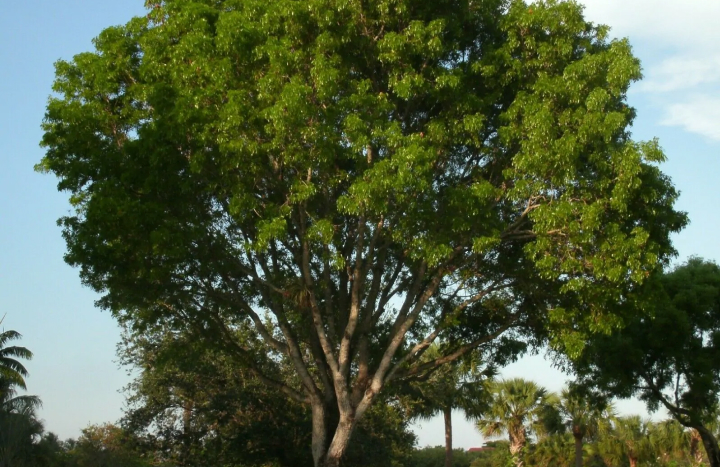
Shisham Tree: Capturing the Graceful Essence of Tree Blossoms
Botanical Marvel
Cultural Heritage
Ecological Importance
Socio-Economic Significance
Traditional Uses
Medicinal Properties
Conservation Challenges
Empowering Communities
Government Initiatives
Research and Innovation
Educational Outreach
International Cooperation
Conclusion
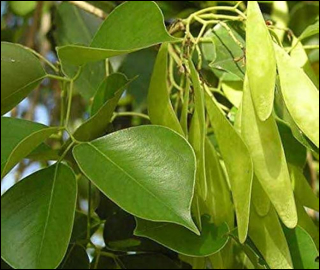
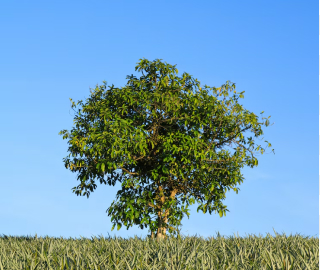
Shisham Tree: Nature’s Ancient Healer and Green Miracle
Shisham Tree Facts
Shisham Tree Care
Shisham Tree Timber Uses
Shisham Tree Ecological Importance
Shisham Tree Medicinal Uses
Shisham Tree Symbolism
Shisham Tree Habitat
Shisham Tree Growth Rate
Shisham Tree Pruning & Root Management
Shisham Tree Flowering & Leaf Characteristics
Shisham Tree Wildlife Habitat
Shisham Tree Soil & Pest Management
Shisham Tree Indigenous Knowledge & Ethnobotany
Shisham Tree Cultivars & Cultural Heritage
FAQs
What is a Shisham Tree?
The Shisham tree, scientifically known as Dalbergia sissoo, is a fast-growing deciduous tree native to the Indian subcontinent, prized for its durable timber used in furniture, construction, and musical instruments.
Where are Shisham trees typically found?
Shisham trees are commonly found in India, Pakistan, Nepal, and Bangladesh, thriving on riverbanks, floodplains, dry deciduous forests, and agricultural landscapes.
How tall can a Shisham tree grow?
Shisham trees can reach heights of 15 to 25 meters, with some specimens growing even taller under optimal conditions, making them ideal for timber and agroforestry.
What climate do Shisham trees prefer?
They prefer warm subtropical climates with well-defined dry and wet seasons, temperatures from 15°C to 35°C, and annual rainfall of 500–1,500 mm.
How long until a Shisham tree matures?
Shisham trees mature in 10–20 years depending on soil fertility, climate, and management, producing high-quality timber prized for strength and durability.
How is Shisham timber harvested?
Timber is harvested by selectively felling mature trees, then processed into lumber, veneer, or plywood depending on market demand.
What are the uses of Shisham timber?
Shisham timber is used in furniture, flooring, cabinetry, decorative woodwork, boat building, and musical instruments, valued for durability and aesthetic appeal.
Is Shisham timber resistant to decay and pests?
Yes, it is naturally resistant to decay, termites, and wood-boring insects due to its high natural oil and resin content.
What is the economic importance of Shisham trees?
Shisham timber trade supports rural economies, providing income and employment, making it a valuable commodity in local and international markets.
Are Shisham trees suitable for agroforestry?
Yes, they can be intercropped or integrated with livestock systems. Their fast growth, nitrogen-fixing ability, and shade tolerance make them excellent for sustainable land use.
Do Shisham trees have medicinal properties?
Yes, the bark, leaves, and seeds have been used in traditional medicine for anti-inflammatory, antipyretic, and antimicrobial benefits.
What pests and diseases affect Shisham trees?
Common pests include stem borers, leaf-eating caterpillars, and scale insects. Diseases include powdery mildew and heart rot under favorable conditions.
Can Shisham trees improve soil fertility?
Yes, they are nitrogen-fixing, enriching soil and benefiting surrounding vegetation and crops.
How do Shisham trees propagate?
Propagation is through seeds, stem cuttings, or root suckers. Seed propagation is most common with controlled germination before transplanting.
What are the environmental benefits of Shisham trees?
They provide carbon sequestration, soil erosion control, wildlife habitat, shade, and stabilize the soil.
What are the challenges faced in Shisham cultivation?
Challenges include invasive species, livestock browsing, pests, and diseases. Sustainable management is essential for long-term viability.
What is the significance of Shisham in traditional cultures?
Shisham trees are culturally significant for timber, medicinal properties, and ecological roles, featuring in folklore, rituals, and ceremonies symbolizing strength and resilience.
Is Shisham cultivation environmentally sustainable?
When using agroforestry and silvicultural techniques, Shisham cultivation promotes biodiversity, soil health, and ecosystem resilience.
Are there different varieties of Shisham trees?
Yes, several varieties differ in growth rate, timber quality, and pest resistance, suited for specific agroforestry systems or commercial applications.