


Eastern Redbud Tree
Eastern Redbud Tree: The Stunning Spring Bloomer That Transforms Your Landscape
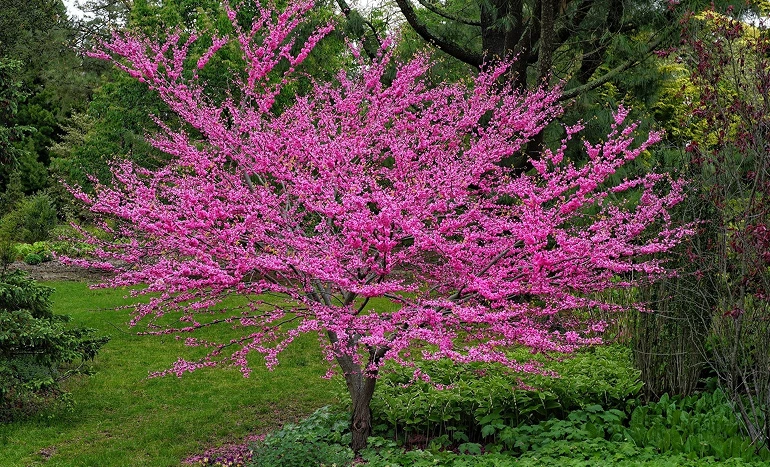
Characteristics of the Eastern Redbud
Fun Facts About the Eastern Redbud
- Native American Significance: The Eastern Redbud holds cultural significance for various Native American tribes, who utilized its wood for crafting tools and its flowers for food.
- Symbolism: In some cultures, the Eastern Redbud represents rebirth and renewal, making it a popular choice for gardens that celebrate springtime.
- Wildlife Habitat: The tree serves as a habitat for various species of birds and insects, contributing to biodiversity.
- Edible Flowers: The flowers of the Eastern Redbud are edible and can be used in salads or as garnishes, adding a unique touch to culinary creations.
Historical Context
Environmental Impact
How to Grow Eastern Redbud Trees
- Choosing the Right Location: Eastern Redbuds thrive in well-drained soil and prefer full sun to partial shade. Select a location that receives at least four hours of sunlight daily.
- Soil Preparation: Although Eastern Redbuds are adaptable to various soil types, they prefer loamy, slightly acidic to neutral soil. Amend the soil with organic matter to improve drainage and fertility.
- Planting: Dig a hole that is two to three times wider than the root ball but no deeper than the root ball itself. Place the tree in the hole, ensuring that the top of the root ball is level with the ground surface. Backfill with soil and water thoroughly.
- Watering: Keep the soil consistently moist, especially during the first year of growth. Once established, Eastern Redbuds are relatively drought-tolerant.
- Fertilizing: In the spring, apply a balanced, slow-release fertilizer to encourage healthy growth. Avoid over-fertilizing, as this can harm the tree.
- Pruning: Prune the tree in late winter or early spring to maintain its shape and remove any dead or damaged branches. This will also encourage better airflow and sunlight penetration.
- Pest and Disease Management: Eastern Redbuds are generally resistant to pests and diseases, but keep an eye out for aphids and leaf spot. Regular inspection and proper care will help mitigate these issues.
Grow Billion Trees Partners: Promoting Eastern Redbuds
Conclusion
Eastern Redbud Characteristics
Eastern Redbud Flowers
Growing Eastern Redbuds
Eastern Redbud Wildlife Habitat
Culinary Uses of Eastern Redbud
Cultural Significance
Environmental Impact of Eastern Redbud
Eastern Redbud in Landscaping
Pruning Eastern Redbuds
Eastern Redbud and Climate Change
Grow Billion Trees Partners
FAQ
What is the Eastern Redbud tree?
The Eastern Redbud, or Cercis canadensis, is a delightful deciduous tree native to North America, especially the eastern U.S. With its stunning pink and purple blossoms in early spring, it's a garden superstar, boasting heart-shaped leaves and a unique branching structure that adds charm to any landscape.
01
How tall does the Eastern Redbud grow?
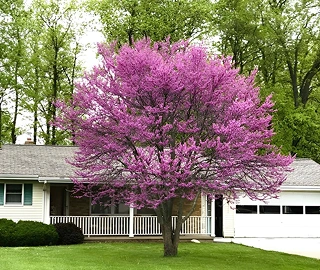
The Eastern Redbud typically reaches heights of 20-30 feet and spreads 25-35 feet wide, making it the perfect companion for smaller gardens or as a standout specimen tree. Its broad, umbrella-like canopy provides excellent shade, ensuring you have a cozy spot to sip your lemonade in style.
02
When does the Eastern Redbud bloom?
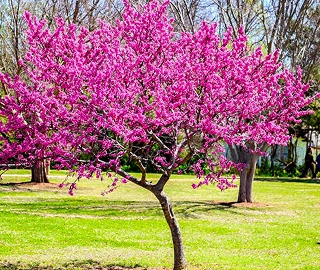
Get ready for a floral fiesta! The Eastern Redbud bursts into bloom in March or April, showering its branches and even trunk with clusters of vibrant pink or purple flowers. This early spring spectacle attracts pollinators like bees and butterflies, making your garden the hottest spot in town!
03
Are Eastern Redbud flowers edible?
Yes, indeed! The flowers of the Eastern Redbud are not just pretty faces; they're edible too! Toss them in salads or use them as garnishes for a unique culinary twist. Who knew that adding a pop of color to your plate could be so deliciously fun
04
What type of soil does the Eastern Redbud prefer?
Eastern Redbuds are not picky eaters, but they thrive in well-drained, loamy soil that's slightly acidic to neutral. A little organic matter goes a long way, improving drainage and fertility. Your Redbud will thank you with vibrant blooms and lush foliage!
05
How do I care for my Eastern Redbud?
Caring for your Eastern Redbud is a piece of cake! Choose a sunny spot, keep the soil moist (especially in the first year), and apply a balanced fertilizer in spring. Prune in late winter or early spring to maintain its shape, and watch out for pesky aphids!
06
What wildlife benefits from the Eastern Redbud?
The Eastern Redbud is like a five-star hotel for wildlife! Its flowers attract bees and butterflies, while the tree provides habitat for various birds and insects. By planting one, you're not just beautifying your garden; you're creating a buzzing biodiversity hotspot!
07
What is the historical significance of the Eastern Redbud?
The Eastern Redbud has deep roots in American history! It's Oklahoma's state tree and was used by Native Americans for crafting tools and making bows. Settlers admired its beauty, leading to its popularity as an ornamental tree in landscapes across the nation.
08
How does the Eastern Redbud impact the environment?
This tree is an environmental hero! As a native species, it supports local ecosystems, providing food and habitat for wildlife. Plus, it helps improve air quality by absorbing CO2 and releasing oxygen, making it a breath of fresh air in urban settings!
09
Can I grow an Eastern Redbud in my garden?
Absolutely! Growing an Eastern Redbud is a breeze for both novice and seasoned gardeners. Just pick a sunny spot, prepare the soil, and follow a few simple care tips. Soon, you'll be enjoying its stunning blooms and heart-shaped leaves in your very own garden!
10
What is Grow Billion Trees Partners?
Grow Billion Trees Partners is an organization dedicated to promoting tree planting and conservation, focusing on the Eastern Redbud and other native species. They work with communities to educate and execute tree-planting initiatives, making a positive impact on the environment and fostering a love for nature
11
Your Suggestions
Leave your message and we'll get back to you shortly.