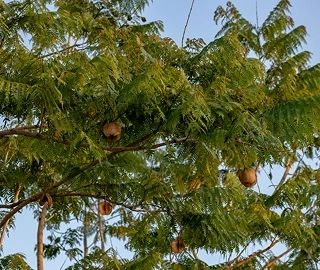

Bael Tree: The Environmental Elegance of Aegle Marmelos
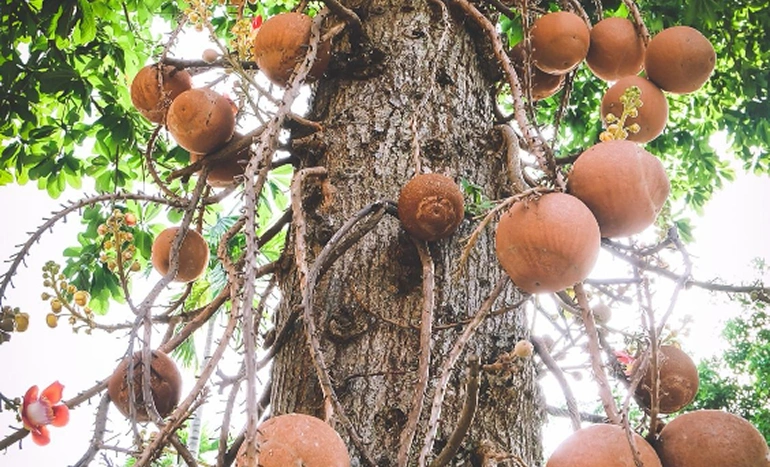
Aadusa Tree - Medicinal Plant

Bael Tree: The Environmental Elegance of Aegle Marmelos

In the enchanting realm of botanical treasures, the Bael Tree, scientifically known as Aegle marmelos or Bael, stands as a nurturing presence in nature and a symbol of cultural richness. This revered tree, with its distinctive leaves and aromatic fruits, not only contributes to the natural tapestry but also holds profound cultural significance. Join us on a journey through the captivating world of the Bael Tree, exploring its historical eminence, ecological contributions, and enduring cultural resonance.

Common Name and Scientific Name

The Bael Tree, commonly referred to as Bael, embodies a harmonious blend of nature's bounty and is scientifically identified as Aegle marmelos. Its aromatic fruits and medicinal leaves make it a cherished and distinctive inhabitant of diverse landscapes.

Description

The Bael is a deciduous tree with notable features, including serrated leaves and round, woody fruits. Its bark has a distinctive fragrance, adding to the tree's unique character. The Bael's presence in various ecosystems is marked by its lush foliage and aromatic allure.

Habitat and Distribution

Native to the Indian subcontinent, the Bael Tree thrives in a variety of climates, from arid to subtropical regions. Its adaptability and resilience make it a valuable contributor to the biodiversity of its native habitats.

Cultural and Historical Significance

The Bael Tree holds deep roots in cultural and historical narratives, finding mention in ancient texts like the Puranas and Ayurvedic scriptures. Revered in Hinduism, the Bael is associated with Lord Shiva, and its leaves are considered sacred, often used in religious rituals.

Ecological Importance

Beyond its cultural prominence, the Bael Tree plays a crucial role in ecological balance. Its leaves provide a natural habitat for insects, and the aromatic fruits attract various wildlife, contributing to biodiversity. The Bael's adaptability to different climates enhances its role in maintaining environmental harmony.

Symbolism and Cultural Uses

The Bael Tree symbolizes purity, divinity, and medicinal wisdom. Its presence in religious ceremonies, especially during festivals like Shivratri, highlights its symbolic importance. The Bael's fruits and leaves are used in traditional Ayurvedic medicine, showcasing its cultural and holistic significance.

Conservation and Cultivation

While the Bael Tree is not currently endangered, sustainable cultivation practices and conservation efforts are crucial. Raising awareness about the Bael's ecological and cultural importance ensures the preservation of this botanical gem for future generations.

Conclusion

In conclusion, the Bael Tree stands as a symbol of cultural heritage, ecological resilience, and holistic well-being in India. As we continue to unravel its mysteries and harness its potential, Bael remains a timeless treasure of the natural world, offering a multitude of benefits for generations to come.

References

Aadusa Tree in Ayurvedic Medicine
Aadusa Tree Plantation

Belpatra Varieties

Exploring the diverse world of Bael leaves - discover the different types of bael leaves and their unique characteristics, from shapes and sizes to flavors and aromas.

Belpatra Nutrition

Unlocking the health secrets of Bael leaves - delve into the nutritional profile of bael leaves, including vitamins, minerals, and antioxidants, and learn how they contribute to overall health and well-being.

Belpatra Cultivation

Growing your own Bael leaf garden - get expert tips on cultivating bael trees and harvesting bael leaves in your own garden or orchard, whether for personal use or commercial purposes.

Belpatra Recipes

Creative culinary adventures with Bael leaves - explore innovative ways to incorporate bael leaves into your dishes, from savory recipes to desserts and beverages, and tantalize your taste buds with new flavors.

Belpatra Health Benefits

Harnessing the healing powers of Bael leaves - uncover the medicinal properties of bael leaves and their traditional uses in treating various ailments, from digestive disorders to respiratory infections and skin conditions.

Belpatra Farming

Tips and tricks for successful Bael leaf cultivation - learn essential techniques for successful bael leaf farming, including soil preparation, planting methods, irrigation, and pest management to ensure a bountiful harvest.

Belpatra Tree Care

Nurturing your Bael tree for optimal leaf production - discover best practices for caring for bael trees, including pruning, fertilizing, and disease prevention, to maintain healthy trees and maximize leaf yield.

Belpatra Tea

Savoring the refreshing flavor of Bael leaf infusions - indulge in the soothing taste of bael leaf tea and explore its potential health benefits, from aiding digestion to boosting immunity and promoting relaxation.

Belpatra Beauty

Enhancing your skin and hair with Bael leaf extracts - harness the beauty benefits of bael leaf extracts in skincare and haircare products, and experience their moisturizing, anti-inflammatory, and anti-aging properties.

Belpatra Mythology

Exploring the mythical tales surrounding Bael leaves - dive into the rich mythology and folklore surrounding bael leaves in various cultures and religions, uncovering the symbolic significance and mystical beliefs associated with this sacred leaf.

What are the medicinal properties of Bael leaves?

Bael leaves possess anti-inflammatory, antimicrobial, antioxidant, and analgesic properties. They are traditionally used in Ayurvedic medicine to treat digestive disorders like diarrhea, dysentery, constipation, and respiratory ailments such as coughs and asthma. They also help improve heart health, boost immunity, and enhance overall well-being.

01

How do you use Bael leaves for medicinal purposes?

Bael leaves can be used as a decoction, tea, powder, or paste. Fresh or dried leaves can be boiled in water to make a herbal tea, or powdered leaves can be mixed with honey or water and consumed. Bael leaf paste is applied topically to treat skin conditions like eczema and wounds.

02

What are the nutritional benefits of Bael leaves?

Bael leaves are rich in vitamins (A & C), minerals (calcium, iron, potassium), fiber, and antioxidants. They aid digestion, improve immunity, support heart health, and have anti-inflammatory and detoxifying properties.

03

How do you grow Bael trees?

Bael trees can be grown from seeds or saplings. Plant in well-drained soil with full sunlight. Water young trees regularly and mulch around the base. Prune periodically to maintain shape and remove dead or diseased branches.

04

What are some culinary uses of Bael leaves?

Bael leaves are used in curries, chutneys, beverages, and herbal teas. They impart a unique flavor and aroma and are often used in traditional South Asian cuisines.

05

Are there any side effects of consuming Bael leaves?

Generally safe, but excessive intake may cause constipation or allergic reactions in some individuals. Pregnant or breastfeeding women should consult a healthcare professional before use.

06

What is the significance of Bael leaves in Hindu mythology?

Bael leaves are sacred to Lord Shiva. They are offered during worship rituals and symbolize purity, devotion, and spiritual enlightenment.

07

Can Bael leaves be used for skincare?

Yes, Bael leaves have antimicrobial and anti-inflammatory properties. Bael leaf paste can be applied to treat acne, eczema, rashes, and minor wounds.

08

Do Bael trees have environmental benefits?

Bael trees provide habitat and food for wildlife, prevent soil erosion with their deep roots, and enrich soil organic matter, contributing to ecosystem balance.

09

What are traditional uses of Bael leaves in Ayurveda?

In Ayurveda, Bael leaves are used for digestive disorders, respiratory infections, and skin ailments. They are believed to have detoxifying properties and are used in cleansing therapies.

10
logo
back top