


Bioenergy Plantations
Bioenergy Plantations:
Exploring Opportunities in Bioenergy Plantations and Climate Action
Welcome to the verdant landscapes of Bioenergy Plantations, where renewable energy meets sustainable land management in a bid to power the future. In this extensive guide, we'll explore the ins and outs of bioenergy plantations, from their definition and types to their significance, challenges, and conservation strategies. So, let's embark on this green journey together and unearth the potential of bioenergy as a renewable energy source!
Key Insight
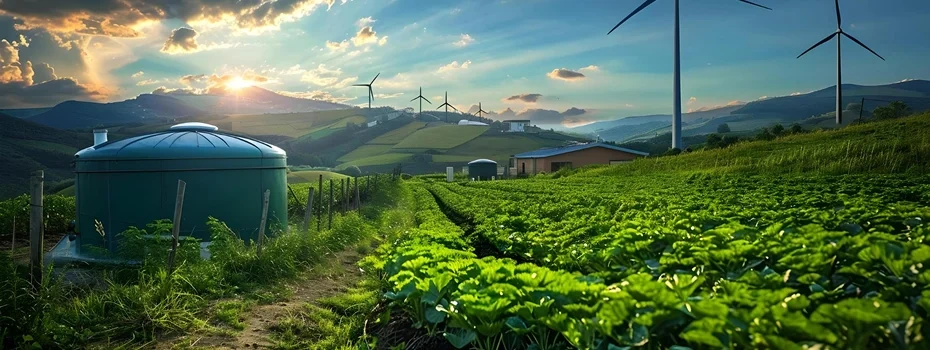
About Bioenergy Plantations: Bioenergy Plantations are dedicated agricultural or forestry systems cultivated for the purpose of producing biomass that can be converted into renewable energy. These plantations harness the power of photosynthesis to capture solar energy and convert it into biofuels, biogas, or biomass pellets, providing a sustainable alternative to fossil fuels.
Types of Bioenergy Plantations
Definition: Bioenergy Plantations can be defined as managed agricultural or forestry systems designed to produce biomass for the generation of renewable energy, including biofuels, biogas, and biomass-based electricity.
Energy Crops: These are dedicated crops such as switchgrass, miscanthus, and sugarcane, grown specifically for their high biomass yield and energy content.
Woody Biomass Plantations: These plantations consist of fast-growing tree species like willow, poplar, and eucalyptus, cultivated for their wood fiber and potential for biofuel production.
Agroforestry Systems: Integrating trees with traditional agricultural crops allows for simultaneous production of food, fodder, and biomass for energy, enhancing landscape multifunctionality and sustainability.
Important Facts
- Bioenergy plantations offer a versatile and renewable source of energy that can help mitigate greenhouse gas emissions, reduce dependence on fossil fuels, and promote energy independence.
- Sustainable management of bioenergy plantations can contribute to rural development, job creation, and revitalization of marginal lands, particularly in rural and economically disadvantaged areas.
- Integration of bioenergy plantations with carbon capture and storage technologies can further enhance their climate mitigation potential by sequestering carbon dioxide from the atmosphere.
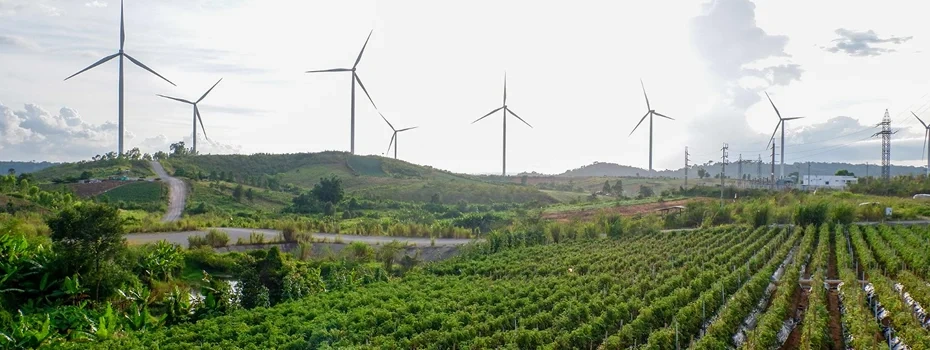
- Geographical Location in India: India's diverse agro-climatic zones and abundant biomass resources offer vast potential for bioenergy plantation development across the country. From the fertile plains of Punjab to the biodiverse forests of the Western Ghats, there are ample opportunities to harness bioenergy from a variety of crops and tree species.
Importance
- Renewable Energy: Bioenergy plantations provide a sustainable and renewable source of energy that can help reduce greenhouse gas emissions, mitigate climate change, and promote energy security.
- Rural Development: Investment in bioenergy plantations creates opportunities for rural employment, income generation, and value addition along the biomass supply chain, fostering economic development in rural areas.
- Sustainable Land Use: By utilizing marginal lands and promoting sustainable land management practices, bioenergy plantations contribute to landscape restoration, biodiversity conservation, and soil protection.
Development Strategies
- Biomass Resource Assessment: Conducting comprehensive assessments of biomass availability, quality, and sustainability helps identify suitable locations for bioenergy plantation establishment and informs crop selection and management practices.
- Technology Innovation: Investing in research and development of biomass conversion technologies, such as biofuel production processes and biogas digesters, enhances the efficiency and competitiveness of bioenergy production.
- Policy Support: Enacting supportive policies, incentives, and regulations that promote sustainable bioenergy production, facilitate market access, and incentivize investment in bioenergy infrastructure is essential for scaling up bioenergy plantation development.

Key Insights for Learning
- Diversification is Key: Embrace a diversity of biomass feedstocks, cropping systems, and energy conversion technologies to maximize resource efficiency, resilience, and socio-economic benefits.
- Integration with Ecosystem Services: Design bioenergy plantations to enhance ecosystem services such as soil fertility, water conservation, and biodiversity conservation, ensuring long-term sustainability and resilience.
- Stakeholder Engagement: Engage with local communities, landowners, policymakers, and other stakeholders throughout the bioenergy value chain to build consensus, address concerns, and foster collaborative decision-making.
Threats Faced
- Land Use Competition: Competition for land between bioenergy plantations and food production, biodiversity conservation, or other land uses can lead to conflicts over land tenure, resource allocation, and environmental impacts.
- Resource Constraints: Limited availability of water, nutrients, and suitable land for bioenergy plantation establishment may constrain biomass production and limit the scalability of bioenergy projects.
- Environmental Impacts: Poorly managed bioenergy plantations can have negative environmental impacts, including soil erosion, water pollution, habitat degradation, and loss of biodiversity, undermining their sustainability and social acceptance.
Conservation
- Sustainable Land Management: Implementing sustainable land management practices such as agroforestry, crop rotation, and soil conservation measures minimizes environmental impacts and enhances ecosystem services provided by bioenergy plantations.
- Landscape Planning: Adopting landscape-level planning approaches that integrate bioenergy production with biodiversity conservation, watershed management, and climate adaptation goals promotes synergies and minimizes trade-offs between competing land uses.
- Stakeholder Engagement: Fostering dialogue, collaboration, and partnerships among diverse stakeholders, including local communities, indigenous peoples, policymakers, researchers, and industry stakeholders, ensures that bioenergy plantation development is socially inclusive, environmentally responsible, and economically viable.
Conclusion
Conclusion: In conclusion, bioenergy plantations offer a promising pathway towards sustainable energy production, rural development, and landscape conservation. By harnessing the renewable power of biomass, we can cultivate a greener, more resilient future for generations to come. So, let's plant the seeds of change and nurture bioenergy plantations as a cornerstone of our transition to a low-carbon, sustainable energy future.
1
Bioenergy Plantations
Bioenergy plantations are dedicated agricultural lands or forests cultivated for the purpose of producing biomass feedstocks for energy generation, such as biofuels, biogas, and biomass pellets. These plantations play a crucial role in the transition to renewable energy sources and reducing greenhouse gas emissions while providing additional economic opportunities for rural communities.
2
Short Rotation Coppice (SRC)
Short rotation coppice involves growing fast-growing woody species, such as willow or poplar, in dense stands and harvesting them on a regular basis, typically every 2 to 5 years. SRC plantations provide a sustainable source of biomass for bioenergy production, with the harvested biomass used for heat, electricity, or biofuels.
3
Energy Crops
Energy crops are specifically grown for their high biomass yields and energy content, making them ideal feedstocks for bioenergy production. Examples of energy crops include switchgrass, miscanthus, and hybrid poplar, which can be cultivated on marginal lands or as rotation crops in agricultural systems to enhance soil health and provide renewable energy resources.
4
Anaerobic Digestion
Anaerobic digestion is a biological process that breaks down organic materials, such as crop residues, animal manure, and food waste, in the absence of oxygen to produce biogas, a renewable energy source composed primarily of methane. Bioenergy plantations can supply feedstocks for anaerobic digestion systems, converting organic waste into valuable energy and reducing greenhouse gas emissions from organic waste management.
5
Woody Biomass Plantations
Woody biomass plantations consist of trees or shrubs grown specifically for biomass production, such as eucalyptus, poplar, or willow. These plantations can be managed for short rotation coppice or longer rotation periods, depending on the desired biomass yield and energy conversion technology. Woody biomass from plantations is used for heat, electricity, and biofuels, providing a sustainable alternative to fossil fuels.
6
Agroforestry for Bioenergy
Agroforestry systems integrate trees or shrubs with agricultural crops or livestock, providing multiple benefits such as biomass production, soil conservation, and biodiversity enhancement. Agroforestry practices, such as alley cropping or silvopasture, can incorporate energy crops or woody biomass plantations, diversifying farm income while promoting sustainable land management and renewable energy production.
7
Carbon Sequestration Potential
Bioenergy plantations have the potential to sequester carbon from the atmosphere and store it in biomass and soils, offsetting greenhouse gas emissions from fossil fuel combustion. However, the carbon balance of bioenergy plantations depends on factors such as land use change, management practices, and the efficiency of bioenergy conversion technologies, highlighting the importance of sustainable management and lifecycle analysis for assessing their carbon sequestration benefits.
8
Sustainable Management Practices
Sustainable management practices are essential for ensuring the environmental and social sustainability of bioenergy plantations. This includes avoiding conversion of natural ecosystems, promoting biodiversity conservation, and implementing measures to prevent soil erosion and water pollution. By adopting sustainable management practices, bioenergy plantations can contribute to climate change mitigation while supporting rural livelihoods and ecosystem resilience.
 OUR FAQ US
Frequently Asked Questions About Bioenergy Plantations
What are Bioenergy Plantations and how do they function?
Bioenergy plantations are cultivated areas specifically dedicated to growing energy crops such as switchgrass, miscanthus, willow, and poplar for the production of biomass fuels. These plantations harness the energy stored in plant materials through processes like combustion, gasification, or biofuel production to generate heat, electricity, or biofuels for various applications.
01
What are the environmental benefits of Bioenergy Plantations?
Bioenergy plantations offer several environmental benefits, including reducing greenhouse gas emissions by providing a renewable alternative to fossil fuels, enhancing carbon sequestration in biomass and soils, promoting soil and water conservation, and mitigating air pollution compared to traditional fossil fuel-based energy sources.
02
How do Bioenergy Plantations contribute to renewable energy production?
Bioenergy plantations contribute to renewable energy production by providing a sustainable source of biomass feedstock for bioenergy conversion processes, such as biofuels production, biopower generation, and bioheat applications, thereby reducing reliance on non-renewable fossil fuels.
03
What role do energy crops play in Bioenergy Plantations?
Energy crops, specifically cultivated for their high biomass yield and energy content, are central to bioenergy plantations. These crops are carefully selected and managed to optimize biomass production while minimizing environmental impacts, making them valuable feedstock for bioenergy production.
04
How does the establishment of Bioenergy Plantations support rural development?
The establishment of bioenergy plantations can support rural development by creating employment opportunities in biomass production, processing, and distribution sectors, diversifying rural economies, enhancing local energy security, and providing additional income streams for farmers and landowners.
05
What are the challenges associated with implementing Bioenergy Plantations?
Challenges include addressing land use conflicts and competition with food production, ensuring sustainable land management practices to avoid ecosystem degradation, optimizing crop selection and management techniques for different agro-climatic conditions, and addressing socio-economic implications for local communities.
06
How does Bioenergy Plantations contribute to climate change mitigation?
Bioenergy plantations contribute to climate change mitigation by sequestering carbon dioxide from the atmosphere through biomass growth, displacing fossil fuel-based energy sources with renewable bioenergy, and reducing net greenhouse gas emissions associated with energy production and land use change.
07
What role does policy support play in advancing Bioenergy Plantation initiatives?
Policy support is crucial for advancing bioenergy plantation initiatives through incentives, regulatory frameworks, research and development funding, market mechanisms for biomass feedstock, and integration into national energy and climate strategies to promote sustainable bioenergy production and use.
08
How can individuals support Bioenergy Plantation efforts?
Individuals can support bioenergy plantation efforts by advocating for renewable energy policies, investing in bioenergy projects, purchasing sustainably produced biomass products, participating in community-based bioenergy initiatives, and supporting research and education on bioenergy technologies and practices.
09
What are the economic benefits of investing in Bioenergy Plantations?
Investing in bioenergy plantations can yield economic benefits such as creating job opportunities along the bioenergy value chain, stimulating rural development and income generation, reducing energy import dependency, diversifying revenue streams for landowners, and fostering innovation and investment in the bioenergy sector.
10
Send Your Mail
OUR CONTACT NOW
Determine You Want To Achieve
Relaxing Garden & Functional.
Business tailored design, management & support services. Business agency elit, sed do eiusmod tempor...