


Macadamia Tree
Macadamia Tree: Unlocking the Secrets to Growing Nature's Nutty Treasure
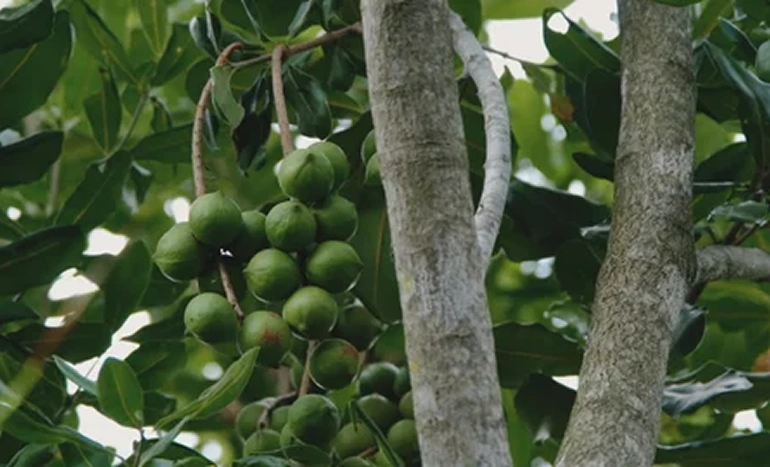
The Botanical Marvel: Understanding the Macadamia Tree
Growing Conditions: The Ideal Environment for Macadamia Trees
- Climate: Macadamia trees prefer temperatures between 20°C to 30°C (68°F to 86°F) and can tolerate some frost, although prolonged exposure can damage the trees.
- Soil: Well-draining soils are crucial. Heavy clay soils can lead to root rot, while sandy soils help with drainage and aeration.
- Watering: Adequate watering is essential, especially during the flowering and nut development stages. However, overwatering should be avoided.
- Sunlight: Full sunlight is ideal for macadamia trees. They should receive at least 6-8 hours of direct sunlight each day.
Fun Facts About Macadamia Nuts
- Macadamia nuts have a high fat content, approximately 75%, making them one of the fattiest nuts available.
- They are rich in monounsaturated fats, which are beneficial for heart health and can help lower cholesterol levels.
- The macadamia nut is often considered a "superfood," packed with essential nutrients, including fiber, protein, and antioxidants.
- Macadamia nuts are often used in gourmet cooking and baking, adding a luxurious touch to dishes like cookies, salads, and even main courses.
Historical Background: The Journey of Macadamia Nuts
Environmental Impact: Sustainability in Macadamia Farming
- Agroforestry: Integrating macadamia trees into existing forests or planting them alongside other crops can enhance biodiversity and reduce soil erosion.
- Organic Farming: Utilizing organic fertilizers and pest control methods helps to maintain soil health and reduce chemical runoff.
- Water Conservation: Implementing drip irrigation systems can minimize water waste and ensure that trees receive adequate moisture without over-irrigating.
- Carbon Sequestration: Macadamia trees can absorb significant amounts of carbon dioxide, contributing to climate change mitigation.
Grow Billion Trees Partners: A Commitment to Sustainability
- Community Engagement: They collaborate with local communities to raise awareness about the benefits of tree planting and sustainable agriculture.
- Training Programs: Providing training and resources to farmers on best practices for growing macadamia trees sustainably, including pest management, soil health, and water conservation techniques.
- Research and Development: Investing in research to improve macadamia cultivation techniques and develop disease-resistant tree varieties.
- Partnerships: Collaborating with governmental and non-governmental organizations to secure funding and resources for large-scale tree-planting initiatives.
Challenges in Growing Macadamia Trees
- Pests and Diseases: Macadamia trees can be susceptible to pests like the macadamia nut borer and diseases such as root rot. Regular monitoring and integrated pest management strategies are essential.
- Market Fluctuations: The price of macadamia nuts can fluctuate based on supply and demand, impacting farmers’ profitability.
- Water Availability: In regions experiencing drought, water scarcity can affect nut production and tree health.
Harvesting and Processing Macadamia Nuts
Conclusion: A Nutty Future
Macadamia Tree Varieties
Pollination of Macadamia Trees
Nutritional Benefits of Macadamia Nuts
Sustainable Farming Practices
Harvesting Macadamia Nuts
Pests and Diseases
Macadamia Tree Lifespan
Economic Impact of Macadamia Farming
Community Engagement in Macadamia Farming
Historical Significance of Macadamia Nuts
FAQ
What are macadamia trees?
Macadamia trees, native to Australia, are botanical wonders that produce delicious nuts. With glossy leaves and stunning flowers, they can grow up to 50 feet tall and live for over a century. These trees are not just pretty; they’re a long-term investment for nutty aficionados and sustainability seekers alike.
01
What do macadamia nuts taste like?
Macadamia nuts have a rich, buttery flavor with a satisfying crunchy texture. They’re like a creamy, nutty indulgence that elevates everything from cookies to salads, making them a favorite in gourmet kitchens worldwide.
02
How do I grow macadamia trees?
Growing macadamia trees requires a warm, subtropical climate with well-drained sandy loam soil. They thrive with full sunlight, adequate watering, and a little love. Plant multiple trees for cross-pollination, and you’ll be on your way to a bountiful harvest of these nutty gems.
03
What are the ideal growing conditions for macadamia trees?
Macadamia trees love temperatures between 68°F and 86°F, well-drained soil, and at least 6-8 hours of sunlight daily. They prefer a pH range of 5.0 to 6.5. Just remember, too much water can lead to root rot—these trees are picky about their hydration!
04
What pests and diseases affect macadamia trees?
Macadamia trees can face challenges from pests like the nut borer and diseases such as root rot. Regular monitoring and integrated pest management are essential to keep these trees healthy and productive. Think of it as a nutty game of whack-a-mole—stay vigilant!
05
How are macadamia nuts harvested?
Harvesting macadamia nuts is a meticulous endeavor. Ripe nuts fall from the trees, and growers often use mechanical shakers to speed things up. Once collected, the tough outer shell must be removed quickly to prevent spoilage—think of it as the ultimate nutty challenge!
06
What is the history of macadamia nuts?
Macadamia nuts have a rich history, first enjoyed by Indigenous Australians. Named after Dr. John Macadam, commercial cultivation took off in the late 19th century, with Hawaii leading the charge. Today, Australia, Hawaii, and South Africa are the nutty powerhouses of the global market.
07
Why are macadamia nuts considered a superfood?
Macadamia nuts are packed with heart-healthy monounsaturated fats, fiber, protein, and antioxidants, earning them the superfood title. Their rich nutrient profile supports heart health and overall wellness, making them a delicious and nutritious addition to any diet.
08
How does macadamia farming impact the environment?
Sustainable macadamia farming can enhance biodiversity and reduce soil erosion. Practices like agroforestry and organic farming help maintain soil health while contributing to carbon sequestration. So, growing these trees can be a win-win for both nut lovers and the planet!
09
What role does Grow Billion Trees Partners play in macadamia farming?
Grow Billion Trees Partners is on a mission to plant a billion trees, focusing on sustainable practices in macadamia farming. They engage communities, provide training, and collaborate with organizations to ensure that macadamia farming is both productive and eco-friendly. They’re the superheroes of sustainability!
10
What challenges do macadamia farmers face?
Macadamia farmers face challenges such as pest infestations, market fluctuations, and water availability. Drought can impact production, while fluctuating prices can affect profitability. It’s a nutty rollercoaster ride, but with the right strategies, farmers can navigate these bumps in the road!
11
Your Suggestions
Leave your message and we'll get back to you shortly.