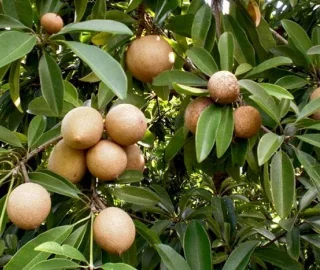

Sapota (Chiku) Tree: Environmental Impact and Sustainability
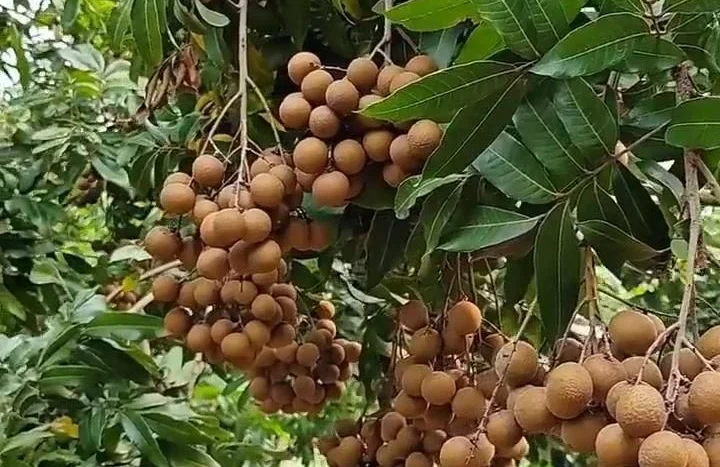
Aadusa Tree - Medicinal Plant

Sapota (Chikoo) Tree: Environmental Impact and Sustainability

The Sapota tree, commonly known as Chikoo, is cherished for its sweet, nutrient-rich fruits and its wide-ranging ecological, cultural, and medicinal significance. Originating from Central America, this tropical evergreen has spread across continents, enriching diets, traditions, and local economies wherever it grows.

1. Taxonomy and Botanical Features

Scientifically named Manilkara zapota, the Sapota tree belongs to the Sapotaceae family. It can grow up to 30 meters tall, bearing oval or round fruits with a rough brown exterior and soft, juicy flesh containing small black seeds. Its hardy nature allows it to thrive in tropical and subtropical climates, showcasing impressive adaptability.

2. Historical and Cultural Significance

Ancient Mayans and Aztecs valued Sapota for its flavor and considered it sacred. Spanish explorers introduced it to Asia, including the Philippines and India. In India, Sapota holds cultural importance, often featured in festivals and traditional ceremonies, symbolizing nourishment and abundance.

3. Medicinal Properties and Traditional Uses

Sapota is rich in vitamins A, C, and E, as well as minerals like potassium and iron. Traditional medicine systems utilize it to treat ailments such as diarrhea, coughs, and skin conditions. Additionally, the latex from Sapota trees is believed to have wound-healing properties, highlighting its therapeutic potential.

4. Agricultural Applications

Sapota trees thrive in warm climates and are cultivated in countries like India, Mexico, and Thailand. They are low-maintenance, can withstand dry conditions, and contribute to agroforestry by providing shade, improving soil fertility, and supporting sustainable agricultural practices.

5. Modern Scientific Research

Recent studies highlight the antioxidant properties of Sapota, which may combat oxidative stress and inflammation. Researchers are exploring its potential in managing chronic diseases such as diabetes and cardiovascular disorders, while biotechnological methods aim to enhance yield and resistance to pests and diseases.

6. Environmental Impact and Sustainability

Sustainable cultivation practices, including organic farming and agroforestry, minimize Sapota’s environmental footprint. The tree provides habitat and food for wildlife, preserves biodiversity, and supports eco-friendly methods for packaging and transport, reducing carbon emissions.

7. Economic Importance

Sapota cultivation is a vital source of income for millions of farmers worldwide, especially in rural areas. The fruit industry, including processing and exports, significantly contributes to local economies, while growing international demand encourages expansion of cultivation and trade.

8. Conservation and Future Prospects

Although Sapota trees are not endangered, habitat loss and unsustainable harvesting threaten wild populations. Conservation efforts focus on preserving genetic diversity, promoting sustainable cultivation, and ensuring long-term viability through research, innovation, and global collaboration.

Conclusion

The Sapota (Chikoo) tree is more than a source of sweet fruit—it is a vital ecological, cultural, and economic asset. From its historical significance to its role in modern medicine, sustainable agriculture, and biodiversity, Sapota exemplifies the harmonious connection between humans and nature. By promoting conservation, sustainable farming, and community empowerment, we can ensure the enduring benefits of this remarkable tree for generations to come.

Aadusa Tree Leaves - Medicinal Properties
Aadusa Tree Environmental Benefits

Sapota Tree: Sweet, Nutritious, and Versatile

The Sapota Tree (Manilkara zapota), also known as Chikoo or Sapodilla, is a tropical fruit tree prized for its sweet, juicy fruit, resilience, and ecological and economic significance. It thrives in warm climates and provides nutritional, cultural, and environmental benefits.

Sweet and Juicy

Sapota is cherished for its sweet and juicy flavor profile, reminiscent of pear with a taste similar to brown sugar. Enjoy it fresh or in desserts like milkshakes, ice creams, and puddings.

Tropical Fruit

Native to Central America and Mexico, Sapota is now cultivated in tropical and subtropical regions worldwide. Its adaptability to warm climates with well-drained soil makes it popular in India, Thailand, and the Caribbean.

Nutrient-Rich

Despite its small size, Sapota is rich in vitamins C and A, dietary fiber, and antioxidants. It supports immune health, eye health, digestion, and overall well-being.

Versatile Ingredient

Sapota’s sweet flavor and creamy texture make it suitable for both sweet and savory dishes. Add it to fruit salads, smoothies, curries, chutneys, or pair it with spices like cinnamon, cardamom, and ginger.

Culinary Delight

Its combination of sweetness and creaminess makes Sapota a favorite in desserts like pies, puddings, and cakes. Whether baked, stewed, or sliced, it enhances culinary creations.

Natural Energy Booster

High in natural sugars and carbohydrates, Sapota provides quick energy. Its slow-release carbohydrates help sustain energy levels throughout the day.

Digestive Aid

Rich in dietary fiber, Sapota promotes regular bowel movements, prevents constipation, and supports overall digestive health.

Heart Health

The potassium content in Sapota helps regulate blood pressure, relax blood vessels, and support cardiovascular function, reducing the risk of hypertension and heart disease.

Skin Nourishment

High in vitamin E, Sapota nourishes the skin, promotes collagen production, protects against oxidative damage, and keeps the skin moisturized and radiant.

Hair Care

Vitamins A and C, along with antioxidants, strengthen hair follicles, promote growth, prevent hair loss, and help maintain healthy, shiny hair when consumed or applied as oil.

What are the health benefits of consuming Sapota?

Sapota, also known as Chikoo, is packed with vitamins, minerals, and antioxidants. It boosts immunity, aids digestion, provides quick energy, and helps combat oxidative stress, reducing the risk of chronic diseases.

1

How can Sapota be incorporated into daily diet?

Enjoy Sapota fresh, add to fruit salads, smoothies, yogurt, desserts like puddings or ice creams, or drink as juice for a refreshing, nutritious treat.

2

Is Sapota cultivation environmentally sustainable?

Yes, Sapota is drought-resistant, requires minimal pesticides, improves soil fertility, prevents erosion, and supports sustainable agriculture.

3

Can Sapota consumption aid in weight management?

Yes, its high fiber content promotes satiety, while natural sugars provide sweetness without spiking blood sugar, making it helpful for weight management.

4

Are there any side effects of consuming Sapota?

Excessive intake may cause bloating or diarrhea. Avoid consuming large quantities of seeds as they may be toxic.

5

How does Sapota benefit skin health?

Vitamin E and antioxidants in Sapota maintain skin elasticity, prevent premature aging, and keep the skin hydrated and radiant.

6

Is Sapota consumption recommended for diabetic individuals?

Yes, due to its low glycemic index, moderate consumption can be included in a diabetic diet with other low-glycemic foods.

7

How does Sapota support bone health?

Rich in calcium, phosphorus, and magnesium, Sapota strengthens bones, prevents osteoporosis, and maintains bone density.

8

Can Sapota consumption alleviate respiratory issues?

Yes, its expectorant properties help loosen mucus, while vitamin C boosts immunity against respiratory infections.

9

Is Sapota recommended during pregnancy?

Yes, in moderation. It provides essential vitamins and minerals for maternal and fetal health, but excessive intake should be avoided.

10

How does Sapota consumption support digestive health?

High fiber content promotes regular bowel movements, supports gut microbiota, and aids digestion of proteins and carbohydrates.

11

Can Sapota consumption help lower cholesterol levels?

Yes, the fiber binds to cholesterol in the digestive tract, reducing absorption and helping maintain healthy cholesterol levels, supporting heart health.

12
logo
back top