


Apple Bear
Apple Bear: Nurturing Environmental Resilience
Taxonomy and Botanical Features
Historical and Cultural Significance
Medicinal Properties and Traditional Uses
Agricultural Applications
Modern Scientific Research
Environmental Impact and Sustainability
Economic Importance
Conservation Status and Future Prospects
Conclusion
Apple Bear Facts
Apple Bear Distribution
Apple Bear Ecology
Apple Bear Genetic Diversity
Apple Bear Conservation
Apple Bear Cultural Significance
Apple Bear Culinary Uses
Apple Bear Medicinal Properties
Apple Bear Pollination Ecology
Apple Bear Adaptations
Apple Bear Ethnobotany
Apple Bear Genetic Conservation
Apple Bear Domestication
Apple Bear Biodiversity Hotspots
Apple Bear Climate Resilience
Apple Bear Folklore and Mythology
Apple Bear Seed Dispersal
Apple Bear Conservation Challenges
Apple Bear Research Initiatives
Apple Bear Cultural Revival
FAQ
What is the Apple Bear?
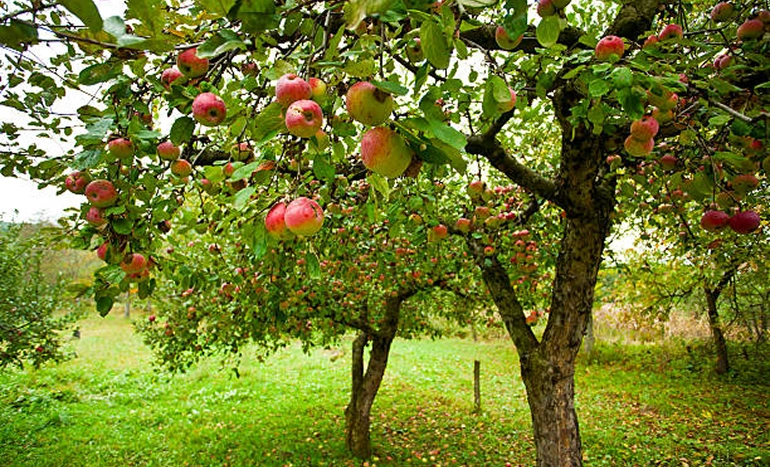
The Apple Bear, scientifically known as Malus sieversii, is the wild progenitor of the modern domesticated apple, originating in Central Asia.
01
Where does the Apple Bear grow?
The Apple Bear primarily grows in the rugged mountainous regions of Kazakhstan and Kyrgyzstan in Central Asia.
02
What are the characteristics of the Apple Bear?
Malus sieversii typically exhibits small to medium-sized fruits, with a wide range of colors and flavors, reflecting its genetic diversity.
03
Are there any medicinal properties associated with the Apple Bear?
Traditional medicine attributes various therapeutic properties to parts of the Apple Bear, including its bark and fruit, believed to aid in digestive and respiratory ailments.
04
Is the Apple Bear important for agriculture?
Yes, the Apple Bear serves as a valuable genetic resource for breeding programs aimed at developing new apple cultivars with desirable traits, such as disease resistance and flavor.
05
What is the conservation status of the Apple Bear?
The conservation status of Malus sieversii is of concern due to habitat loss and degradation, leading to efforts to conserve wild populations and their genetic diversity.
06
How does the Apple Bear contribute to the environment?
The Apple Bear plays a crucial role in supporting biodiversity and ecosystem resilience within its native habitat.
07
Can the Apple Bear be grown outside of its native range?
While Malus sieversii can be cultivated in other regions, its genetic diversity is most robust within its native range.
08
Are there economic opportunities associated with the Apple Bear?
Yes, the genetic legacy of the Apple Bear contributes to the global apple industry, offering economic opportunities for fruit production and breeding programs.
09
What are the future prospects for the Apple Bear?
With concerted conservation efforts and scientific advancements, there is optimism for preserving and harnessing the genetic diversity of the Apple Bear for future generations.
10
How can individuals contribute to the conservation of the Apple Bear?
Individuals can support conservation efforts by raising awareness, participating in habitat restoration projects, and advocating for policies that protect wild apple populations.
11
Where can I learn more about the Apple Bear?
For more information about the Apple Bear and conservation initiatives, visit growbilliontrees.com and explore our resources dedicated to preserving biodiversity and protecting endangered species.
12
Your Suggestions
Leave your message and we'll get back to you shortly.