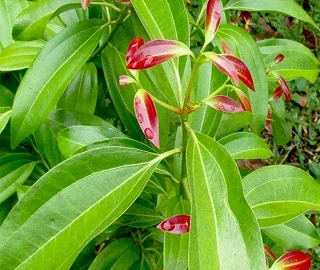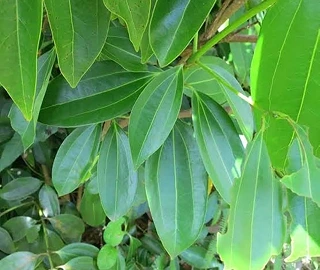


Indian Bay Tree: Unlocking the Secrets of Nature's Aromatic Wonder for
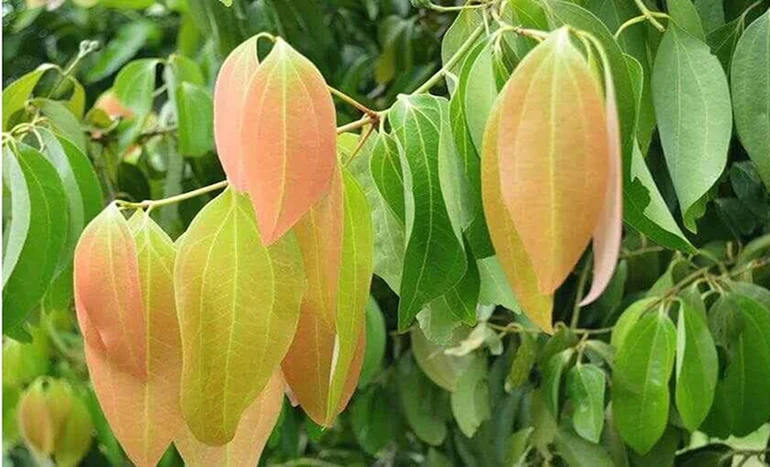
Aadusa Tree - Medicinal Plant

The Indian Bay Tree, scientifically known as Cinnamomum tamala, is a remarkable plant that has captured the attention of culinary enthusiasts, herbalists, and environmentalists alike.

This aromatic wonder, native to the Indian subcontinent, is not just a delight for the senses but also a treasure trove of health benefits and ecological significance.

In this blog, we will delve into the various aspects of the Indian Bay Tree, exploring its health benefits, culinary uses, historical significance, environmental impact, and the efforts of organizations like Grow Billion Trees to promote sustainable practices in the region.

Health Benefits of the Indian Bay Tree

Beyond their culinary applications, the leaves of the Indian Bay Tree are known for their numerous health benefits. Scientific studies have shown that they possess antimicrobial, anti-inflammatory, and antioxidant properties.

Here are some of the key health benefits associated with the Indian Bay Tree:

  • Antimicrobial Properties: Research indicates that essential oils extracted from the leaves exhibit antimicrobial activity against a range of bacteria and fungi. This makes them a valuable natural remedy for preventing infections.
  • Anti-inflammatory Effects: The compounds found in the leaves have been shown to reduce inflammation, making them beneficial for individuals suffering from chronic inflammatory conditions.
  • Digestive Aid: Traditionally, bay leaves are used to aid digestion and alleviate gastrointestinal discomfort. They are believed to stimulate the production of digestive enzymes.
  • Rich in Antioxidants: The leaves are loaded with antioxidants, which help combat oxidative stress in the body. This can contribute to overall health and may reduce the risk of chronic diseases.
  • Blood Sugar Regulation: Some studies suggest that the consumption of bay leaves may help regulate blood sugar levels, making them a beneficial addition to the diet for individuals with diabetes.

Historical Significance

The Indian Bay Tree has a rich history that dates back thousands of years. In ancient Indian texts, such as the Ayurveda, the leaves have been mentioned for their medicinal properties. They were used in various traditional remedies to treat ailments ranging from respiratory issues to digestive problems.

In addition to their medicinal uses, bay leaves have played a significant role in cultural practices. In Hindu rituals, bay leaves are often offered to deities as a symbol of purity and devotion. They are also used in weddings and other ceremonies, highlighting their importance in Indian traditions.

Furthermore, the Indian Bay Tree has been a part of trade routes for centuries. Its leaves were highly valued in ancient times, often traded alongside spices like black pepper and cardamom. The demand for bay leaves contributed to the establishment of trade networks that connected India with other parts of the world.

Environmental Impact

The Indian Bay Tree is not just a culinary and medicinal marvel; it also plays a crucial role in maintaining ecological balance. As an evergreen tree, it provides year-round foliage that supports local wildlife. The tree serves as a habitat for various bird species and insects, contributing to biodiversity in the region.

Moreover, the Indian Bay Tree helps combat soil erosion, particularly in hilly areas. Its extensive root system stabilizes the soil, preventing landslides and maintaining the integrity of the ecosystem. The tree also contributes to carbon sequestration, helping to mitigate climate change by absorbing carbon dioxide from the atmosphere.

However, like many native species, the Indian Bay Tree faces threats from deforestation and habitat loss. This is where organizations like Grow Billion Trees come into play. Their mission is to promote reforestation and sustainable land management practices to protect and restore native ecosystems.

Grow Billion Trees: Promoting Sustainability

Grow Billion Trees is an initiative aimed at planting trees and restoring degraded landscapes across various regions, including those where the Indian Bay Tree thrives. The organization focuses on engaging local communities, raising awareness about the importance of trees, and implementing sustainable practices that benefit both the environment and the economy.

Through partnerships with local farmers and communities, Grow Billion Trees executes reforestation projects that prioritize native species like the Indian Bay Tree. By providing training and resources, they empower local communities to cultivate and maintain these trees, creating a sustainable source of income while enhancing biodiversity.

The organization also conducts educational programs to raise awareness about the ecological importance of trees and the benefits they provide. By involving communities in tree planting and maintenance, they foster a sense of ownership and responsibility towards the environment. In addition, Grow Billion Trees promotes agroforestry practices that integrate trees into agricultural landscapes, improving soil health and providing additional income streams.

How to Grow the Indian Bay Tree

  • Climate: Thrives in tropical and subtropical climates. Prefers well-drained soil and full sun to partial shade.
  • Propagation: Can be grown from seeds or cuttings. Soak seeds in water for 24 hours before planting.
  • Sunlight: Plant in a bright location but can tolerate partial shade.
  • Fertilization: Use organic fertilizers and compost to promote healthy growth.
  • Pruning: Maintain shape and encourage bushier growth for easier leaf harvesting.

Conclusion

The Indian Bay Tree is a true gift from nature, offering a blend of culinary delights, health benefits, and ecological importance. Its aromatic leaves have been cherished for centuries, and its role in traditional medicine highlights the wisdom of ancient practices. Organizations like Grow Billion Trees ensure that the Indian Bay Tree and other native species thrive for generations, fostering community engagement and promoting sustainability.

Indian Bay Tree Uses

The Indian Bay Tree isn’t just a pretty face in the garden; its leaves are culinary rock stars! They add a delightful, earthy flavor to everything from curries to biryanis, making them a must-have in the spice cabinet. Whether fresh or dried, these leaves elevate your dishes from ordinary to extraordinary.

Health Benefits of Bay Leaves

These leaves pack a punch when it comes to health! With antimicrobial, anti-inflammatory, and antioxidant properties, they support digestion, and may help regulate blood sugar levels. A little flavor for your cooking, a big boost for your health!

Culinary Aromatics

When it comes to cooking, the Indian Bay Tree leaves are the aromatic MVPs. They bring a warm, inviting essence to your dishes. Infuse oils, add to marinades, or toss into stews. Their unique flavor might just steal the show!

Cultural Significance

The Indian Bay Tree is steeped in rich traditions. In ancient Indian rituals, these leaves symbolize purity and devotion. They’re also used in weddings and ceremonies, highlighting its cultural importance.

Ecological Importance

As an evergreen, the Indian Bay Tree provides shelter and sustenance for local wildlife. Its roots prevent soil erosion, and it helps absorb carbon dioxide, mitigating climate change.

Sustainable Practices

Grow Billion Trees promotes sustainable land management and reforestation, ensuring this aromatic wonder thrives. They engage communities, planting seeds of awareness and action for a greener planet.

Propagation Tips

To grow your own Indian Bay Tree, soak seeds for 24 hours to boost germination, plant in well-drained soil, and provide plenty of sunlight. With care, you’ll have your aromatic wonder ready to spice up your life!

Historical Relevance

Mentioned in ancient Ayurvedic texts, these leaves were used for thousands of years to treat ailments and were traded along historical spice routes. A living testament to ancient wisdom and the enduring value of nature.

Digestive Benefits

Traditionally used to aid digestion, Indian Bay Tree leaves stimulate digestive enzymes. Add them to your cooking, and your gut will thank you!

Environmental Challenges

The Indian Bay Tree faces threats from deforestation and habitat loss. Organizations like Grow Billion Trees are combating these challenges with reforestation and sustainable practices.

Agroforestry Benefits

By integrating Indian Bay Trees into agricultural landscapes, farmers improve soil health, increase crop yields, and gain additional income through leaf sales. A win-win for both environment and economy.

Indian Cork Fig Fruits
Indian Cork Fig Tree

FAQ

What is the Indian Bay Tree?

The Indian Bay Tree, scientifically known as Cinnamomum tamala, is an evergreen treasure from the Indian subcontinent, known for its glossy leaves and aromatic essence, making it a favorite among chefs and herbalists alike. It flaunts both culinary and health benefits!

01

What are the culinary uses of Indian Bay Tree leaves?

Indian Bay Tree leaves add a warm, earthy flavor to curries, biryanis, and stews. They can be used fresh or dried, with dried leaves packing a particularly strong flavor for your dishes.

02

What health benefits do Indian Bay Tree leaves offer?

These leaves have antimicrobial, anti-inflammatory, and antioxidant properties. They support digestion, help regulate blood sugar, and combat oxidative stress—bringing health benefits straight to your kitchen!

03

How can I grow an Indian Bay Tree?

Plant your Indian Bay Tree in tropical or subtropical climates with plenty of sunlight and well-drained soil. Use organic fertilizer, water regularly, and give it some TLC for a thriving, aromatic tree.

04

What is the historical significance of the Indian Bay Tree?

This tree is mentioned in ancient Ayurvedic texts and revered in Hindu rituals. It was also a key player in historic trade routes, valued alongside spices like black pepper.

05

How does the Indian Bay Tree impact the environment?

The Indian Bay Tree provides habitat for wildlife, prevents soil erosion, and aids in carbon sequestration. It plays a crucial role in maintaining ecological balance.

06

What is the role of Grow Billion Trees?

Grow Billion Trees plants and restores landscapes with a focus on native species like the Indian Bay Tree. They involve local communities, spread awareness, and promote sustainable tree cultivation.

07

How do I use Indian Bay Tree leaves in cooking?

Toss the leaves into your dishes during cooking. Their flavor develops beautifully. Remove the leaves before serving for the perfect aroma without unexpected texture!

08

Can Indian Bay Tree leaves be used in herbal remedies?

Yes! They have been used traditionally to aid digestion, reduce inflammation, and regulate blood sugar. They’re nature’s helpers for wellness with a hint of flavor.

09

Are Indian Bay Tree leaves safe to consume?

Yes, they are generally safe in culinary amounts. Excessive consumption may cause stomach discomfort, so moderation is key.

10

What are the best conditions for growing an Indian Bay Tree?

They thrive in tropical/subtropical climates, prefer full sun to partial shade, well-drained soil, and regular watering during dry spells. Proper conditions lead to a flourishing tree.

11
logo
back top